Aircraft Dispatcher Jobs in Idaho
Cities in Idaho with Aviation Schools:
- American Falls
- Ammon
- Ashton
- Athol
- Blackfoot
- Boise
- Boise City
- Bonners Ferry
- Burley
- Caldwell
- Chubbuck
- Clark Fork
- Coeur D Alene
- Coeur dAlene
- Dalton Gardens
- Dover
- Driggs
- Eagle
- Emmett
- Fort Hall
- Fruitland
- Garden City
- Genesee
- Glenns Ferry
- Hailey
- Hayden
- Idaho City
- Idaho Falls
- Inkom
- Iona
- Jerome
- Kellogg
- Kimberly
- Kootenai
- Kuna
- Lewiston
- Melba
- Meridian
- Middleton
- Midvale
- Moscow
- Mountain Home
- Moyie Springs
- Nampa
- Naples
- Pocatello
- Post Falls
- Preston
- Twin Falls
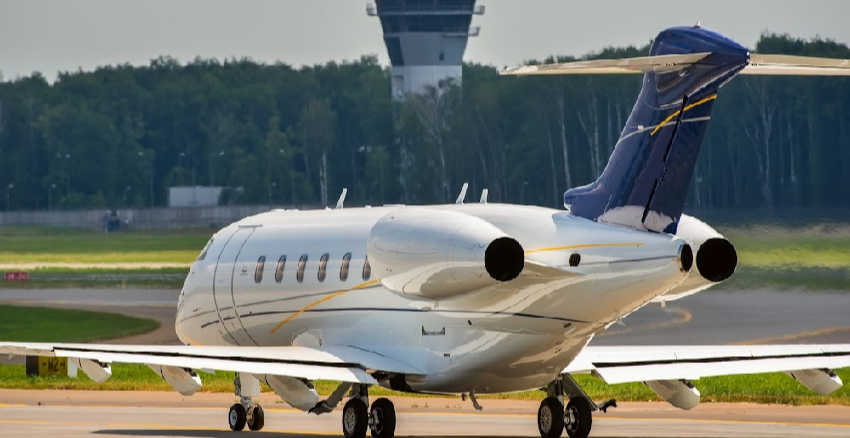
Aircraft Dispatcher Jobs in Idaho
An aircraft flight dispatcher in Idaho always supports the process of moving aircraft safely from one place to another. They do it by being a big part of flights, flight planning, and deciding flight paths. By considering specific aircraft specs including an aircraft's expected performance based on its load, the Aircraft Flight Dispatcher also considers the prevailing winds and brewing thunderstorms and approaching turbulence, but that's not all. Airline Flight Dispatchers also consider the local airspace restrictions and ever-changing weather conditions - so many factors to consider.
"An Aircraft Flight Dispatcher also goes by the title Aircraft Dispatcher, Airline Flight Dispatcher, Flight Follower, Flight Dispatcher, and Flight Operations Officer." Ashley Smith, ASO CEO
As we look into the next 10 to 20 years the job prospects for Aircraft Flight Dispatchers in Idaho are very encouraging, especially for aircraft dispatchers and Flight Operations Officer jobs in Idaho. There is a high demand for flight followers everywhere, including Idaho.
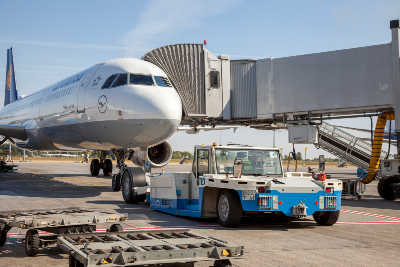
To submit an application to earn an FAA Aircraft Dispatcher Certification, a student prospect must prove he/she is at least 23 years of age and can read and speak English.
Moreover, Flight dispatcher job-hunters from Idaho must amass 200+ hours of dispatcher training. Then, flight follower students from Idaho must pass a written test, a flight planning test, and an oral exam before landing a top aircraft dispatcher job in Idaho.
An Aircraft Flight Dispatcher from Idaho are responsible for maintaining a continual watchful eye on all flights dispatched, and is responsible in a joint agreement with the pilots for flight planning, en routes, altitude choice, fuel load requirement, and compliance with FAA regulations.
The annual median aircraft dispatcher wage hovers around $34,000. However, the Airline Dispatcher Federation believes the average airline flight dispatcher salary in Idaho is well over $40K.
What is the main difference between an Aircraft Dispatcher job in Idaho and an Airline Traffic Controller job in Idaho? Airline Flight Dispatchers consider an aircraft's size, local weather, estimated travel time per weather conditions, and all things pertaining to the timing of inbound arrivals and outbound flight departures. On the other hand, air traffic controllers at the airport where they direct aircraft traffic on the ground and updating pilots with new information during their flights.
Flight Dispatcher Job Description in Idaho
Airlines are in the people transport business where they move tons of air travelers from one place to another. It should be obvious that no airport, especially the big airports would be able to function without the oversight and management of aviation professionals on the ground - we call them Flight Operations Officer and they perform the job of Aircraft Flight Dispatcher in Idaho.
"FAR 121.533 declares aircraft captain and flight dispatchers are equally responsible for the safety of the flight and the welfare of the passengers and flight crew." Ashley Smith, ASO CEO
In conjunction with the pilot, the Flight Operations Officer provides the flight plan so the airplanes and helicopters from Idaho arrive at their destinations and on time and on schedule at the lowest possible cost.
Those performing the job of Airline Flight Dispatcher in Idaho recognizes the weather, the wind, and always looking for and identifying alternate destinations. Of course, if they are considering alternative destinations they also must consider the fuel required to get there. In order for any flight to take flight, the pilot needs the signature of the official flight dispatcher releasing the aircraft and the pilot for flight.
FAA - A History of Aircraft Structures Facts for Idaho
In the late 1800s, Otto Lilienthal built upon Cayley’s discoveries. He manufactured and flew his own gliders on over 2,000 flights. His willow and cloth aircraft had wings designed from extensive study of the wings of birds. Lilienthal also made standard use of vertical and horizontal fins behind the wings and pilot station. Above all, Lilienthal proved that man could fly.
Helicopter Turbine Engines
Turbine engines are more powerful and are used in a wide variety of helicopters. They produce a tremendous amount of power for their size but are generally more expensive to operate. The turbine engine used in helicopters operates differently than those used in airplane applications. In most applications, the exhaust outlets simply release expended gases and do not contribute to the forward motion of the helicopter.
Best Aircraft Dispatcher Jobs near Idaho
The Airline Flight Dispatcher in Idaho is the emissary for the pilots and ground crew, and the Aircraft Flight Dispatcher's main job is to keep all crew concerned with the flight informed about its standing. The Airline Flight Dispatcher in Idaho must be familiar with the overall navigation elements over airline routes and at airports as well as with the takeoff and landing performance attributes of all airships managed by the airlines.
The Airline Flight Dispatcher in Idaho also must ride periodically in the cockpit with the flight crew to observe flight plans, flight routes, weather conditions, and all business and activity within and around the airport.
Airline Flight Dispatcher in Idahos frequently works under stress in fast-moving surroundings especially when aircraft are operating in bad weather. flight dispatchers are required to make fast decisions under stress concerning the health and safety of everyone concerned.
These Airline Flight Dispatcher in Idaho are surrounded by all kinds of crew members, avionics technology, landlines rings, mobile phones going off all the time, and the intercom system is always blaring. Airline Flight Dispatcher in Idaho work in a very noisy and often chaotic atmosphere. The flight dispatchers who work for a small airline in Idaho, also perform the responsibilities of meteorologists and work schedule coordinators.
"Federal Aviation Regulations part 121 dictates that airline dispatchers must ride in the cockpit jumpseat on "familiarization flights" for a minimum of 5 hours each calender year." Ashley Smith, ASO CEO
The Benefits of Landing a Top Flight Dispatcher Job in Idaho
According to Glassdoor and Indeed, the average aircraft dispatcher salary is $32,000. However, the Airline Dispatcher Federation suggests the average aircraft dispatcher salary is closer to $40,000.
Federal Aviation Regulations part 121 dictates that airline Airline Flight Dispatcher in Idaho must ride in the cockpit jumpseat on "familiarization flights" at least 5 hours per year. However, most airlines and airport employers treat Airline Flight Dispatcher in Idaho like pilot cockpit crew members, and extend them jumpseat privileges on an unlimited basis.
Also, hundreds of airlines around the world recognize the significance of the Airline Flight Dispatcher in Idaho and extend the cockpit jumpseat privilege to them without cost. This is one of the top benefits available for Airline Flight Dispatcher in Idaho. Airline Flight Dispatcher in Idahos must be able to work rotating shifts including days, nights, weekends, and holidays.
Aircraft Flight Dispatcher from Idaho typically receive valued employee benefits, such as retirement plans, stock options, credit union memberships, gym memberships, and even paid vacation time. Aircraft Flight Dispatcher might also receive health insurance, life insurance, or even disability insurance.
Aircraft Dispatchers jobs are filled by licensed airmen certificated by the Federal Aviation Administration. As a job responsibility, Aircraft Dispatchers have joint responsibility with the captain for the safety and operational control of flights. Learn more!
Helicopter Fun Facts for Boise
Investigating a helicopter accident should start with a thorough examination of the helicopter's logbooks by an IA and the pilot's logbooks by a helicopter CFI (certificated flight instructor). Was the machine legal to fly on the day of the accident? Was the pilot legal to fly that machine? Once those questions are answered, proceed to the NTSB docket (list of FOIA dockets) to see what the pilot and witnesses said about what happened. Then look at the NTSB factual report. After that, each investigation is going to differ, depending on the circumstances and machine involved.
Aviation Training History and Facts for Boise
Despite having had more than 30 years of experience with flight school interest in the R22, Robinson has never engineered a version of the machine with a high-inertia rotor system. Despite selling all of its helicopters with restrictive contracts governing their use, Robinson does not attempt to restrict flight schools from purchasing R22s and using them for teaching simulated engine failures and practice autorotations. Robinson's attempts to limit the number of accidents have been paperwork-based, e.g., adding cautionary safety notices to the back of the POH or working with the FAA to establish additional training requirements for pilots and instructors in the R22.
Helicopter Factoid for Caldwells for Caldwell
Post World War II Pilot Training: On 1 March 1946, all entries into helicopter pilot training were temporarily suspended due to lack of maintenance personnel. In June 1946 there were five R-5 and sixteen R-6 helicopters at San Marcos and seldom were they all in operable condition.
Helicopter Factoid for Caldwells for Caldwell
Post World War II Pilot Training: The problem of instructor pilots was almost as critical as that of maintenance personnel. Most of the assigned pilots had not been overseas returnees, and were, therefore, subject to overseas duty. The number of instructors on hand varied from one to five making planning student loads nearly impossible. To stabilize instructor manning, the helicopter school requested assignment of one class composed entirely of combat returnees, who could be retained as instructors. A class of 10 combat returnees began training 15 July 1946.
Helicopter Factoid for Coeur dAlenes for Coeur dAlene
To rebuild the helicopter pilot training program, Headquarters Army Air Force appointed a group of officers in January 1946 to recommend a new location for the school. San Marcos Army Air Field, Texas, a recently inactivated flying training base, was selected. Helicopter pilot training formally transferred to San Marcos on 31 May 1946.
Helicopter Factoid for Coeur dAlenes for Coeur dAlene
Post World War II Pilot Training: On 1 March 1946, all entries into helicopter pilot training were temporarily suspended due to lack of maintenance personnel. In June 1946 there were five R-5 and sixteen R-6 helicopters at San Marcos and seldom were they all in operable condition.
Helicopter Fun Facts for Idaho Falls
The Army Air Forces selected helicopter pilot training candidates from rated volunteer applicants. At first there no specific qualifications for helicopter training, although the AAF later required a current flight physical. After the end of World War II, the AAF in early 1946 restricted eligibility to flight officers, lieutenants with a pilot rating, or service pilots on flying status.
Helicopter Factoid for Idaho Fallss for Idaho Falls
Five classes graduated from helicopter training during 1944. Out of a total of 39 students, 36 graduated. By the end of the war, Training Command helicopter school had produced 93 pilots and 335 mechanics. Many of these people served with the helicopter rescue and air commando units in the China-Burma-India Theater or participated in convoy scouting operations along the North Atlantic routes.
Helicopter Factoid for Lewistons for Lewiston
Post World War II: The size of the program increased during 1945 to approximately three times what it was in 1944. With the end of the war in Europe, the War Department closed hundreds of bases. To align Chanute Field to a purely technical training mission, all helicopter pilot training moved to Sheppard Field, a Flying Training Command base near Wichita Falls, Texas in June 1945. Eighteen helicopters were transferred.
Aviation History for Lewiston and Fun Facts for Lewiston
under FAR 43.3 perform some preventive maintenance where preventive is defined with an explicit list of tasks in Appendix A to FAR 43. If the pilot were to perform for example an oil change he or she is required to log the maintenance in the aircraft's logbooks and include his or her certificate number in the log entry.
The end of World War II left the helicopter training program in a state of confusion. Training Command suspended all training in early October 1945 and by the end of the month little remained of the school. The Army Air forces offered no incentives for the men to stay with the program, and more than 75 percent of the personnel left the service. By the middle of October, there was just one qualified helicopter pilot remaining to act as an instructor, and he was a recent graduate of the school.
Helicopter Fun Facts for Meridian
June 1944- US Army Air Forces, Flying Training Command, Freeman Field, Seymour, Indiana, started with 5 instructor pilots flying R-4's. Operational troubles with the new aircraft prevented the establishment of definite training quotas. The first two R-4's received at Freeman Field in June 1944 were out of commission nearly 80 % of the time that first year. In August 1944, seven helicopters were available. December 1944 - Training moved to Chanute Field, Illinois. A total of 14 R-4's were available for training. Student pilots received 25-30 hours of flight training in the R-4.
Helicopter Factoid for Meridians for Meridian
Investigating a helicopter accident should start with a thorough examination of the helicopter's logbooks by an IA and the pilot's logbooks by a helicopter CFI (certificated flight instructor). Was the machine legal to fly on the day of the accident? Was the pilot legal to fly that machine? Once those questions are answered, proceed to the NTSB docket (list of FOIA dockets) to see what the pilot and witnesses said about what happened. Then look at the NTSB factual report. After that, each investigation is going to differ, depending on the circumstances and machine involved.
Helicopter Fun Facts for Nampa
Five classes graduated from helicopter training during 1944. Out of a total of 39 students, 36 graduated. By the end of the war, Training Command helicopter school had produced 93 pilots and 335 mechanics. Many of these people served with the helicopter rescue and air commando units in the China-Burma-India Theater or participated in convoy scouting operations along the North Atlantic routes.
Helicopter Factoid for Nampas for Nampa
June 1944- US Army Air Forces, Flying Training Command, Freeman Field, Seymour, Indiana, started with 5 instructor pilots flying R-4's. Operational troubles with the new aircraft prevented the establishment of definite training quotas. The first two R-4's received at Freeman Field in June 1944 were out of commission nearly 80 % of the time that first year. In August 1944, seven helicopters were available. December 1944 - Training moved to Chanute Field, Illinois. A total of 14 R-4's were available for training. Student pilots received 25-30 hours of flight training in the R-4.
Post World War II Pilot Training: The problem of instructor pilots was almost as critical as that of maintenance personnel. Most of the assigned pilots had not been overseas returnees, and were, therefore, subject to overseas duty. The number of instructors on hand varied from one to five making planning student loads nearly impossible. To stabilize instructor manning, the helicopter school requested assignment of one class composed entirely of combat returnees, who could be retained as instructors. A class of 10 combat returnees began training 15 July 1946.
Helicopter Factoid for Pocatellos for Pocatello
The Army Air Forces selected helicopter pilot training candidates from rated volunteer applicants. At first there no specific qualifications for helicopter training, although the AAF later required a current flight physical. After the end of World War II, the AAF in early 1946 restricted eligibility to flight officers, lieutenants with a pilot rating, or service pilots on flying status.
Helicopter Factoid for Post Fallss for Post Falls
Flight Instructor Facts for Post Falls A helicopter flight instructor is trained to act as an extension of the FAA. As a helicopter flight instructor you'll be accountable for training and certifying new students that will then go on to get their helicopter pilots license.
Aviation History for Post Falls and Fun Facts for Post Falls
Post World War II: The size of the program increased during 1945 to approximately three times what it was in 1944. With the end of the war in Europe, the War Department closed hundreds of bases. To align Chanute Field to a purely technical training mission, all helicopter pilot training moved to Sheppard Field, a Flying Training Command base near Wichita Falls, Texas in June 1945. Eighteen helicopters were transferred.
Interesting Aviation Facts for Preston for Preston
Military Helicopters: Military helicopters made it very easy to maneuver and hold an aircraft in one location. Thus, helicopters were then modeled to help take up reconnaissance missions. These aircraft are now modernized and fitted with infrared cameras as well as low light level television for better observation.
Aviation Facts and Figures for Preston
Once you earn a private pilot license, you must go on to earn a commercial pilot license, which requires more flight hours. After you gain experience as a helicopter pilot, earning an airline transport pilot license allows you to fly large transport helicopters, but only highly skilled pilots qualify.
Helicopter Factoid for Twin Fallss for Twin Falls
The end of World War II left the helicopter training program in a state of confusion. Training Command suspended all training in early October 1945 and by the end of the month little remained of the school. The Army Air forces offered no incentives for the men to stay with the program, and more than 75 percent of the personnel left the service. By the middle of October, there was just one qualified helicopter pilot remaining to act as an instructor, and he was a recent graduate of the school.
Helicopter Factoid for Twin Fallss for Twin Falls
To rebuild the helicopter pilot training program, Headquarters Army Air Force appointed a group of officers in January 1946 to recommend a new location for the school. San Marcos Army Air Field, Texas, a recently inactivated flying training base, was selected. Helicopter pilot training formally transferred to San Marcos on 31 May 1946.