Commercial Pilot Jobs in District of Columbia
Commercial Pilot Jobs District of Columbia
District of Columbia Commercial Pilot Salary - How Much Do Commercial Pilots Make?
Commercial Pilot Benefits
Depending on the company you work for, as a commercial pilot you may be eligible to receive health insurance, life insurance, and disability benefits, along with retirement plans and "per diem" pay for longer trips, but these benefits are fairly rare for most commercial pilot jobs.
Seniority Affects Pay
As a new commercial pilot, you can expect to make entry level pay, fly older, less sophisticated aircraft, and fly less desirable routes and schedules. New commercial pilots typically must "pay their dues" in this role in order to accumulate the required hours to apply for better jobs and move up the career ladder into higher paying jobs. Get more information about commercial pilot training.
Pilot Training - What you need to know to fly for a living
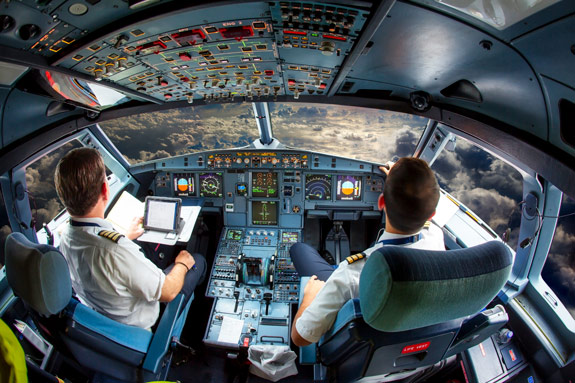
Commercial pilots with two years of college or more have an advantage over pilots with only a high school diploma. However, many operations do hire pilots with only a high school education. Pilots who have degrees in aviation-related fields like aeronautics have a better chance of landing a job. If you want to become a commercial pilot, there are two routes to take: military or civilian training. Military training is only a viable option for people with top grades and a four year degree, as competition for military flying slots is fierce, to say the least. The majority of new commercial pilot training occurs at flight schools, flight academies, and colleges with flight training programs.
Where to Find Commercial Pilot Training Near District of Columbia
Most schools, academies, and colleges offer pilot training for people with no experience. These programs will have a base price for earning all the required licenses and ratings to become a commercial pilot and begin building your flight hours to find a job. Keep in mind that the quoted price is for people who progress at the "average" rate, so the price can go lower or higher, depending on your personal progress.
Building Commercial Pilot Hours
Since you will need to build flight hours after earning your licenses and ratings, it's important to find a flight school or academy that offers jobs to its graduates. This way, assuming you are professional in your approach to flying and the flight training environment, you are virtually assured of having your first "commercial pilot" job after graduation, and have a chance to build those flight hours and experience you need to move on to your next position. Learn about commercial pilot jobs.
As a commercial pilot, you will be required to take additional training and check rides periodically, depending on the type of operation you work for, and the type of aircraft being flown. Ongoing training is a reality for all commercial pilots.
Aviation Facts - Trim Controls and Fly-By-Wire Control
The fly-by-wire (FBW) control system employs electrical signals that transmit the pilot’s actions from the flight deck through a computer to the various flight control actuators.The FBW system evolved as a way to reduce the system weight of the hydromechanical system, reduce maintenance costs, and improve reliability. Electronic FBW control systems can respond to changing aerodynamic conditions by adjusting flight control movements so that the aircraft response is consistent for all flight conditions. Additionally, the computers can be programmed to prevent undesirable and dangerous characteristics, such as stalling and spinning.
Semi-Useless Aviation Trivia You Should Learn
The wings of the airplane are just one component of flight. There are actually four forces of flight that push the plane up, down, forward, or slow it down. These four forces of flight are lift, thrust, drag, and weight.