Air Traffic Controller
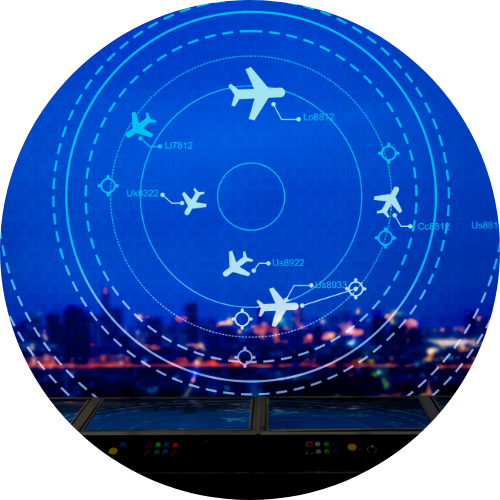
Air Traffic Controller training prepares students for high-responsibility aviation careers managing aircraft movement and maintaining safe, efficient airspace operations. Air traffic controllers play a critical role in aviation safety by coordinating aircraft departures, arrivals, routing, and communication between pilots and airports.
Air Traffic Controller
Air Traffic Controller programs introduce students to the fundamentals of airspace management, aircraft separation, radar systems, aviation communication, weather operations, and FAA procedures. Students learn how controllers safely direct aircraft during takeoff, landing, and enroute operations while maintaining efficient traffic flow. Air traffic control careers can offer strong long-term opportunities within airport towers, approach control facilities, and regional air traffic centers.
Learn More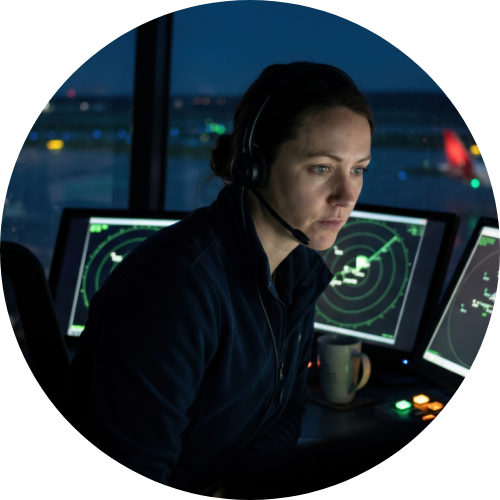
Aviation Safety Programs
Aviation Safety Programs focus on risk management, accident prevention, regulatory compliance, operational safety, and human factors throughout the aviation industry. Students learn how safety systems help support pilots, controllers, maintenance professionals, and airline operations while improving overall aviation performance and accident prevention. Aviation safety training can lead to career opportunities across airlines, airports, government agencies, and aviation operations management.
Learn More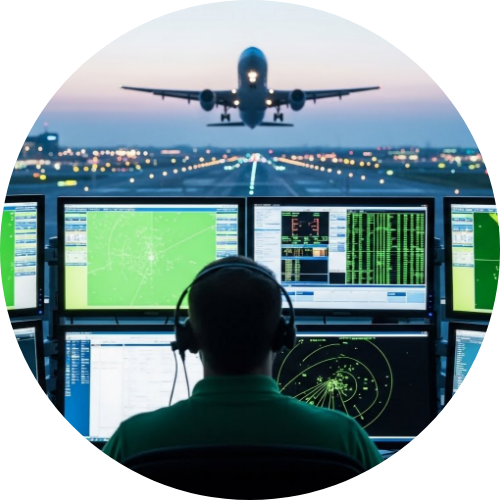
Online Training
Online Air Traffic Controller Training provides flexible educational opportunities for students interested in aviation communication, airspace systems, FAA regulations, weather theory, and air traffic procedures. Online programs allow students to build foundational aviation knowledge while balancing work, school, or other commitments. Many students use online coursework to prepare for advanced ATC education programs and FAA career pathways.
Learn More