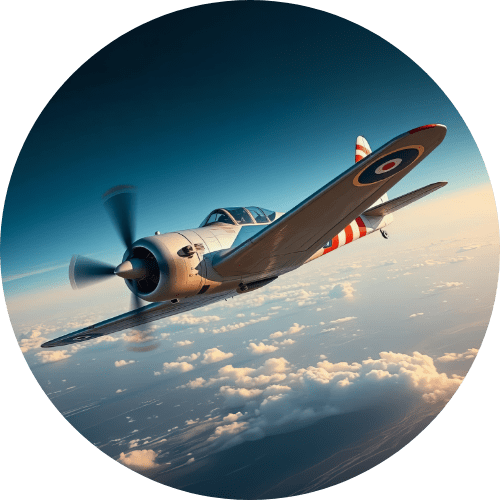
Fixed Wing
Learning to fly is a significant commitment—personally, professionally, and financially. Fixed‑wing flight schools serve as the foundation of that journey, providing structured education, operational discipline, and mentorship that shape pilots from their first lesson through advanced certification. Yet not all flight schools operate the same way. Differences in training structure, instructor availability, aircraft resources, and overall management can influence a student’s experience, cost, an
Accelerated Flight Schools
Accelerated Flight Schools are designed for students who want to complete pilot training in a shorter timeframe through immersive, fast-paced instruction. These programs often allow career-focused students to progress quickly from private pilot training through advanced ratings and certifications. Accelerated training can help students enter the aviation workforce sooner while maintaining consistent flight proficiency.
Learn More
Airline Career Pilot Programs
Airline Career Pilot Programs provide structured training designed specifically for students pursuing careers with regional and major airlines. These programs often combine multiple certifications, flight hours, mentoring, and career guidance into one professional pathway. Students benefit from focused training environments that emphasize airline procedures, professionalism, and long-term career development.
Learn More
Airline Transport Pilot (ATP)
The Airline Transport Pilot (ATP) certificate is the highest level of pilot certification issued by the FAA. ATP training prepares experienced pilots for airline and advanced commercial aviation careers by focusing on high-level flight operations, crew resource management, and airline procedures. Most airline pilot positions require pilots to earn their ATP certification.
Learn More
Bush Pilot Training
Bush Pilot Training focuses on operating aircraft in remote, rugged, and off-airport environments. Students learn short-field takeoffs and landings, backcountry navigation, survival skills, and terrain awareness. Bush flying appeals to pilots interested in adventure aviation, wilderness operations, and specialized commercial flying opportunities.
Learn More
Certified Flight Instructor
Certified Flight Instructor (CFI) training prepares experienced pilots to teach and mentor future aviators. Becoming a flight instructor allows pilots to build valuable flight hours while developing leadership, communication, and instructional skills. Many professional airline and corporate pilots begin their careers as CFIs to gain real-world flying experience.
Learn More
CFII Training
Certified Flight Instructor Instrument (CFII) training prepares flight instructors to teach instrument flight procedures and IFR operations. CFII instructors play a critical role in helping pilots safely navigate complex weather conditions and advanced instrument environments. This certification can also help instructors expand their teaching opportunities and career advancement.
Learn More
Charter Pilot Programs
Charter Pilot Programs prepare aspiring pilots for careers flying private clients, corporate travelers, and on-demand charter flights. Students develop advanced flying skills while learning operational procedures commonly used in business aviation and commercial charter operations. These programs can provide an excellent pathway into professional aviation outside the traditional airline route.
Learn More
Collegiate Aviation Programs
Collegiate Aviation Programs combine flight training with college degree programs in aviation, aerospace science, or aviation management. Students can earn pilot certifications while working toward associate’s or bachelor’s degrees that may improve long-term career opportunities with airlines and corporate operators. Many collegiate programs also provide access to advanced aircraft fleets, simulators, and aviation networking opportunities.
Learn More
Commercial Pilot
Commercial Pilot training prepares students to fly professionally and earn income as a pilot. Training focuses on advanced flight maneuvers, aircraft systems, navigation, cross-country operations, and real-world decision making. Many students pursuing commercial pilot training continue toward airline, charter, corporate, or flight instructor careers after completing their certification requirements.
Learn More
Glider Schools
Glider Schools teach students the fundamentals of unpowered flight through soaring and glider operations. Pilots develop strong energy management, situational awareness, and precision flying skills while learning to use weather and thermal conditions efficiently. Glider training provides a unique and rewarding aviation experience for both recreational and career-minded pilots.
Learn More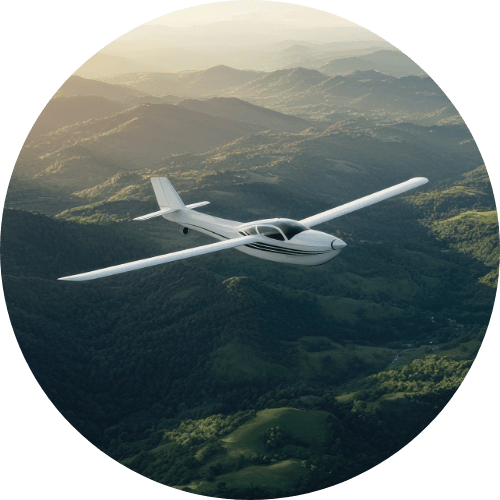
Instrument Flight Rules (IFR) Training
Instrument Flight Rules (IFR) training teaches pilots how to safely operate aircraft using cockpit instruments when weather conditions reduce outside visibility. Instrument-rated pilots gain advanced navigation, communication, and weather interpretation skills that improve both safety and career opportunities. IFR training is considered one of the most important steps for pilots pursuing professional aviation careers.
Learn More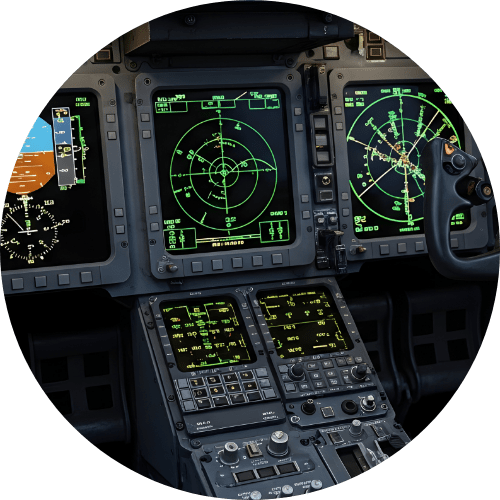
Multi-Engine Training
Multi-Engine Training prepares pilots to operate aircraft equipped with more than one engine. Students learn engine-out procedures, advanced aircraft systems, higher-performance flight operations, and complex emergency management. Multi-engine ratings are an important requirement for many commercial aviation and airline career paths.
Learn More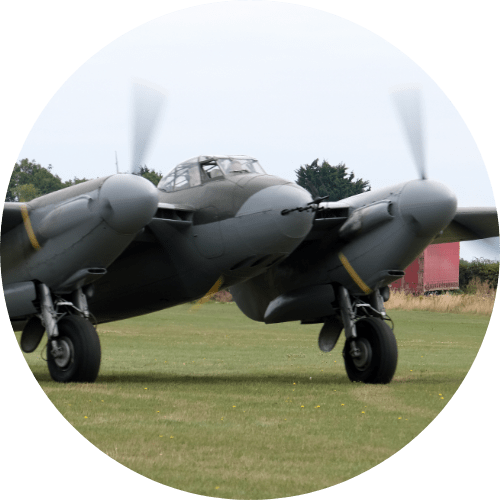
Online Ground School Training
Online Ground School training gives students the flexibility to learn aviation theory, FAA regulations, navigation, weather, and flight planning from virtually anywhere. These programs are ideal for students balancing work, school, or busy schedules while preparing for FAA written exams and flight training. Many pilots combine online ground school with hands-on instruction at a local flight school.
Learn More
Part 141 Flight Schools
Part 141 Flight Schools follow FAA-approved structured training curriculums designed for professional pilot development. These programs often include stage checks, standardized lesson plans, and more formal academic environments. Part 141 schools are commonly chosen by career-minded students seeking airline pathways, collegiate aviation partnerships, or financial aid opportunities.
Learn More
Part 61 Flight Schools
Part 61 Flight Schools offer flexible flight training programs that allow students to progress at their own pace. These schools are popular among working adults, hobby pilots, and students seeking customized scheduling options. Part 61 training can provide a more adaptable and personalized learning experience while still meeting FAA certification standards.
Learn More
Private Pilot
Private Pilot training is the first major step toward learning to fly. Students in private pilot programs learn the fundamentals of aircraft operation, navigation, communication, weather, and flight safety while gaining hands-on experience in the cockpit. Whether your goal is recreational flying or starting a professional aviation career, choosing the right fixed wing flight school can help build a strong foundation for future ratings and certifications.
Learn More
Seaplane Training
Seaplane Training teaches pilots how to safely operate aircraft on lakes, rivers, and other water environments. Students learn specialized takeoff and landing techniques, water handling procedures, and unique safety considerations associated with float-equipped aircraft. Seaplane ratings can expand recreational and commercial flying opportunities in remote and scenic locations.
Learn More
Tailwheel Training
Tailwheel Training helps pilots develop advanced aircraft handling skills while flying traditional tailwheel-equipped airplanes. This type of training improves rudder coordination, crosswind control, and overall stick-and-rudder proficiency. Many pilots pursue tailwheel endorsements to become more confident and versatile aviators.
Learn More
Type Rating Training
Type Rating Training qualifies pilots to operate specific large or turbine-powered aircraft such as business jets and commercial airliners. Training focuses on aircraft-specific systems, procedures, emergency operations, and simulator-based instruction. Type ratings are essential for pilots pursuing careers in airline, charter, and corporate aviation.
Learn More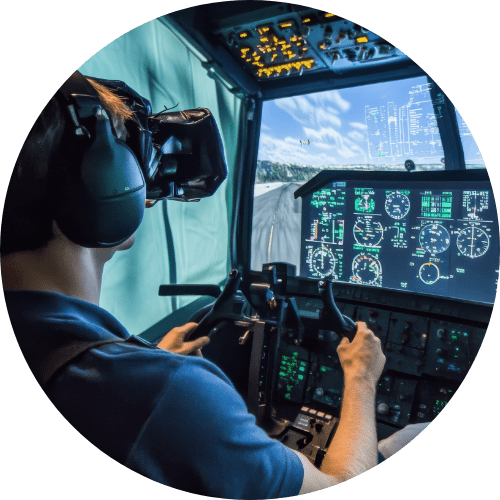
Upset Recovery / Aerobatics
Upset Recovery and Aerobatic training helps pilots improve aircraft control, confidence, and safety awareness during unusual flight situations. Students learn advanced maneuvering techniques, spin recovery procedures, and emergency response skills that can strengthen overall pilot proficiency. Many pilots pursue this training to become safer and more capable aviators.
Learn More
Warbird Training
Warbird Training gives pilots the opportunity to fly and learn about historic military aircraft from past generations. Students receive specialized instruction focused on handling characteristics, aircraft systems, and safety procedures unique to vintage airplanes. Warbird programs combine advanced pilot training with aviation history and preservation.
Learn More